Working at heights: choose the right work platform
Whether you’re working with ladders, step ladders, or scaffolding, working at heights always involves risks. That’s why there are strict rules and legal requirements governing the use of such work platforms.
In this blog, you’ll learn all about working safely at heights, the role of a risk assessment, the most important legal regulations, and the importance of European Standards (EN). Discover what this means in practice for your work environment—whether you’re a professional or a DIY enthusiast.
What does the law say about working safely at heights?
For professionals, working safely at heights is strictly regulated under both European directives and Belgian law. But even as a DIYer, it’s wise to follow the same safety principles to avoid risks.
Risk Analysis: The Foundation of Workplace Safety
Every safe work situation starts with a risk assessment.
- Employers are required to be able to provide a risk assessment
- This document demonstrates that all hazards were assessed and mitigated in advance
- It helps you decide which work platform (ladder, step ladder, or scaffolding) is the most suitable and safe
This is mandatory for professionals, but it is also highly recommended for any DIY enthusiast.
👉 Read the blog on workplace safety to learn how to conduct a risk assessment for your work at heights.
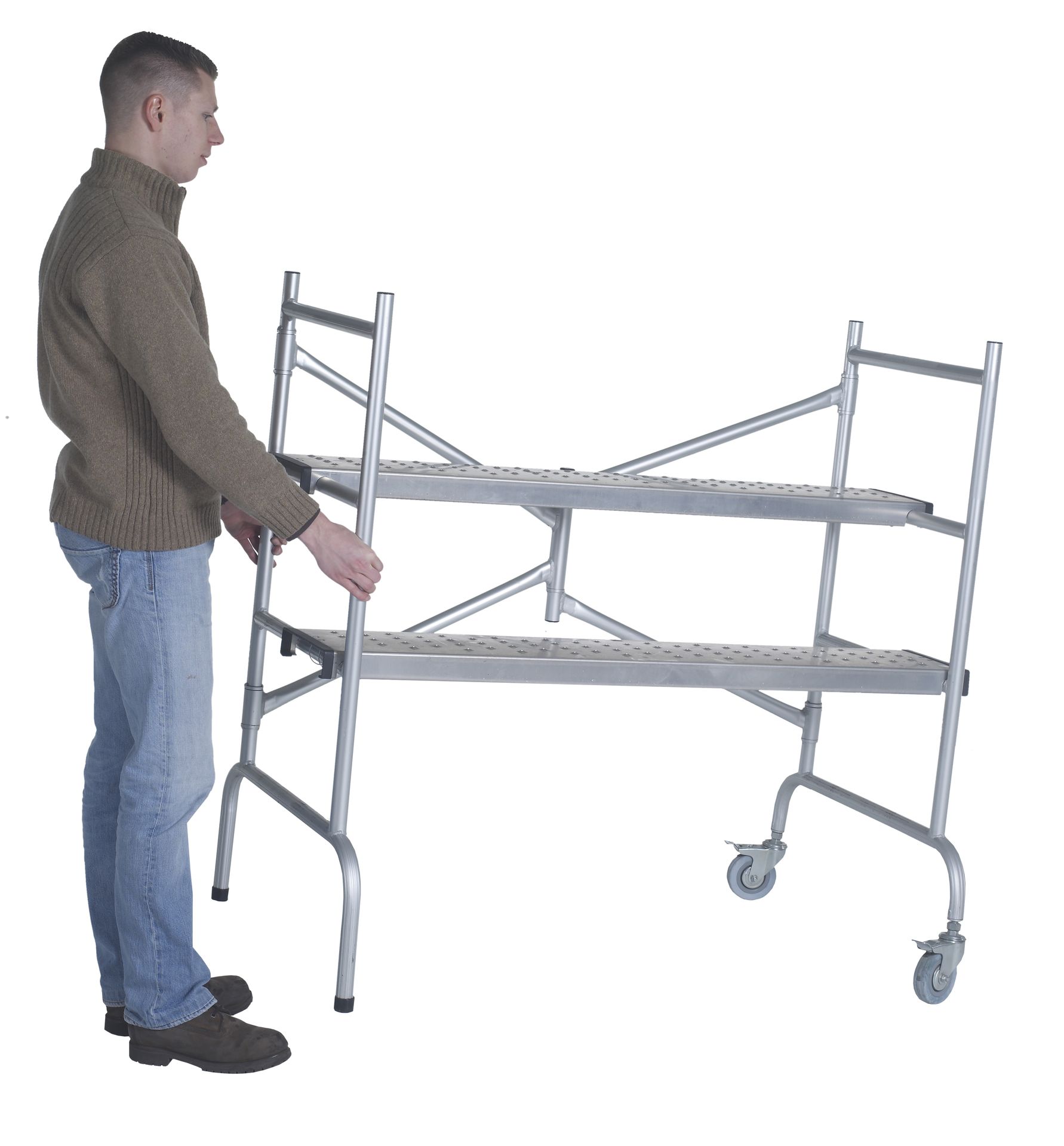
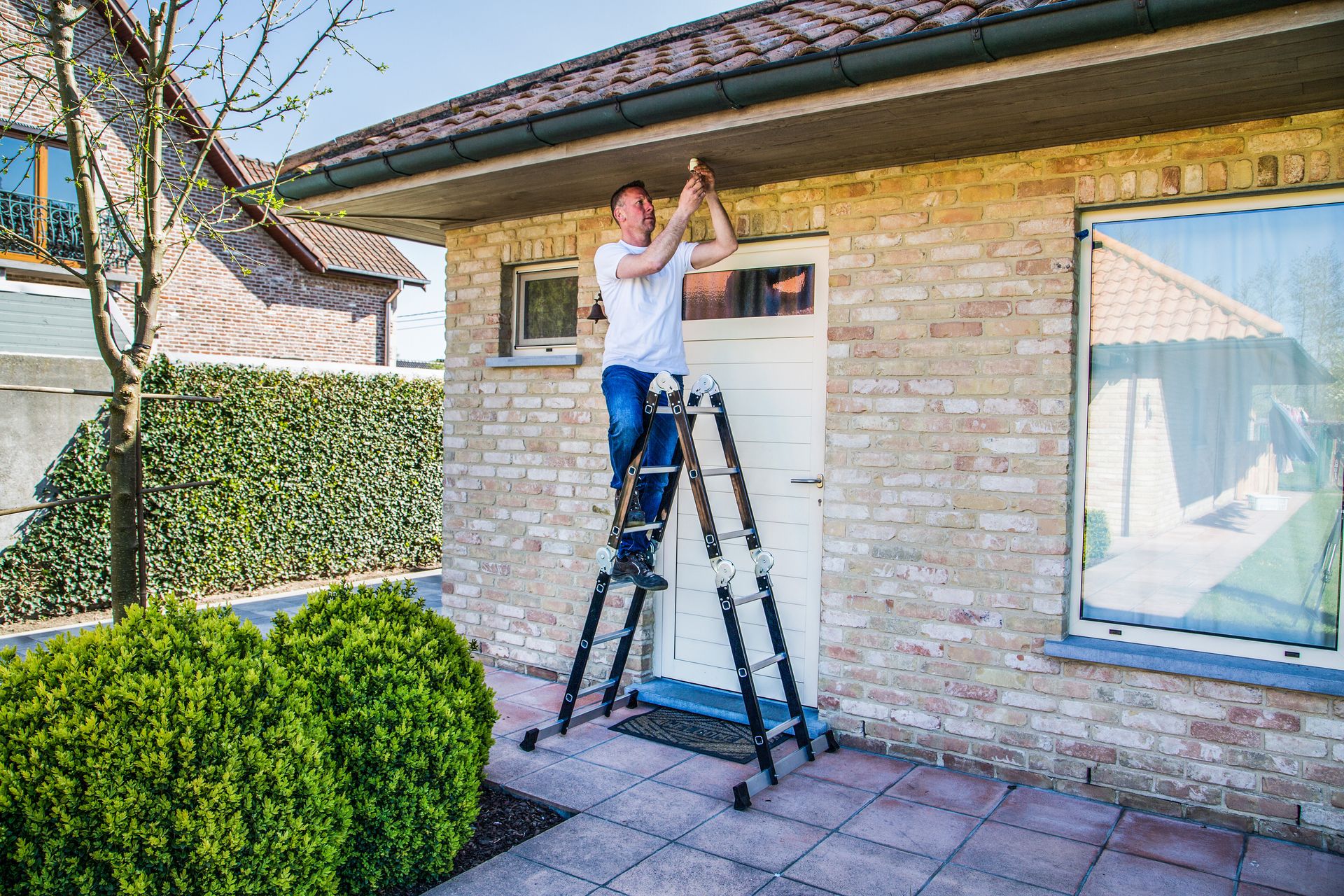
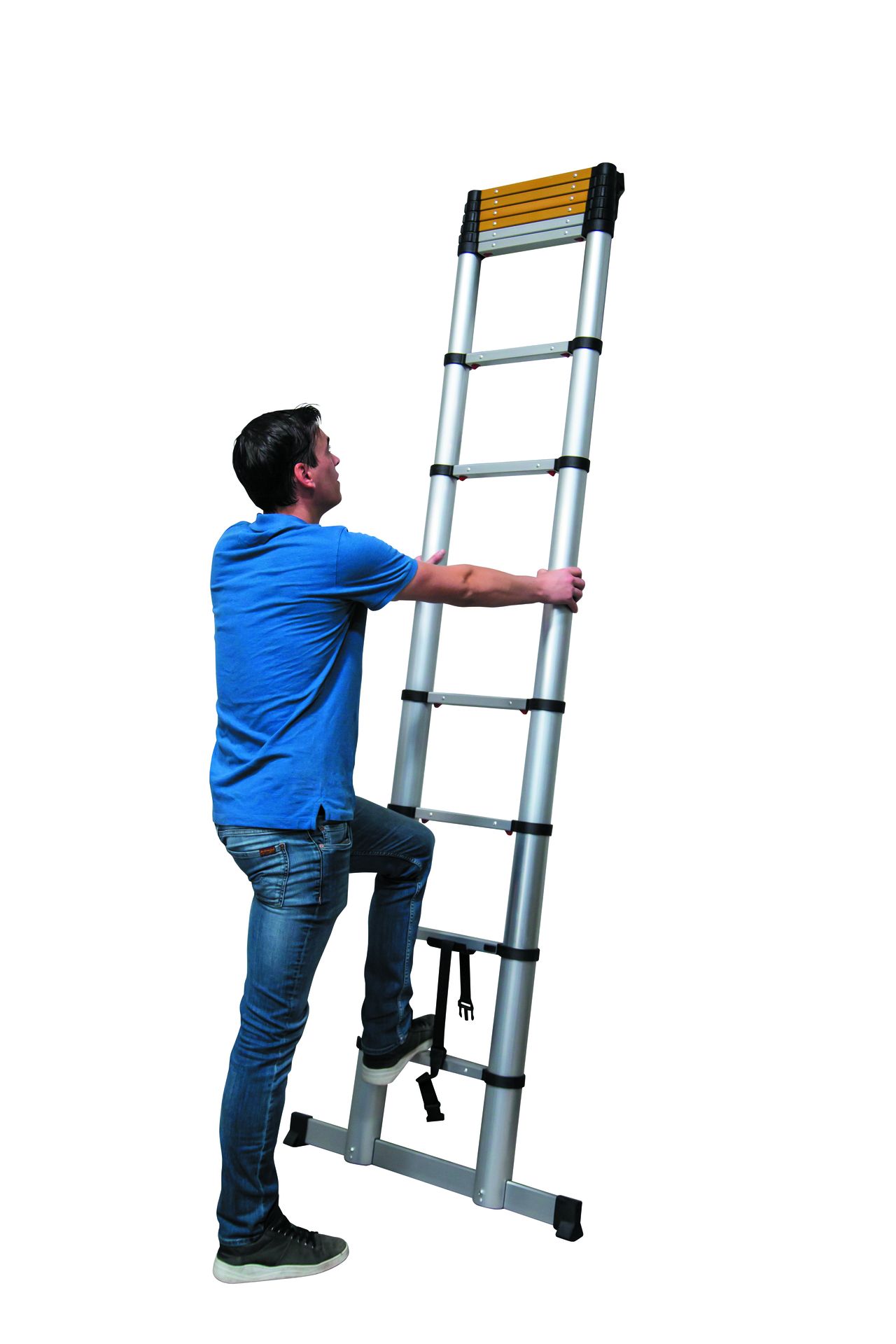
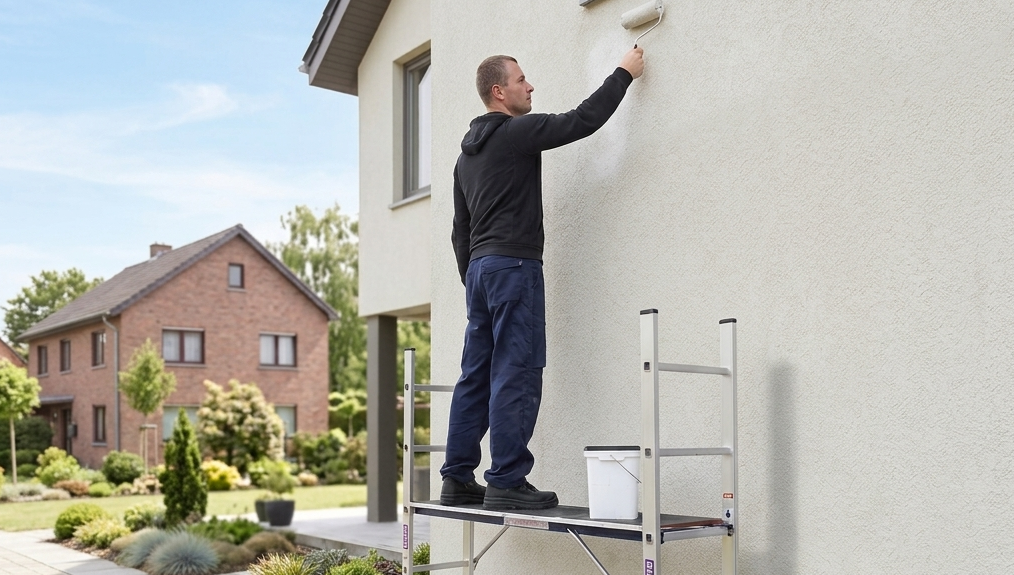
In addition to the risk analysis, current regulations stipulate a number of safety principles:
Ladder vs. steiger: wat mag je gebruik?
Using a ladder is an exception, not the standard solution:
Ladders should only be used when safer alternatives are not possible
- Connect the cable
- Reach up high
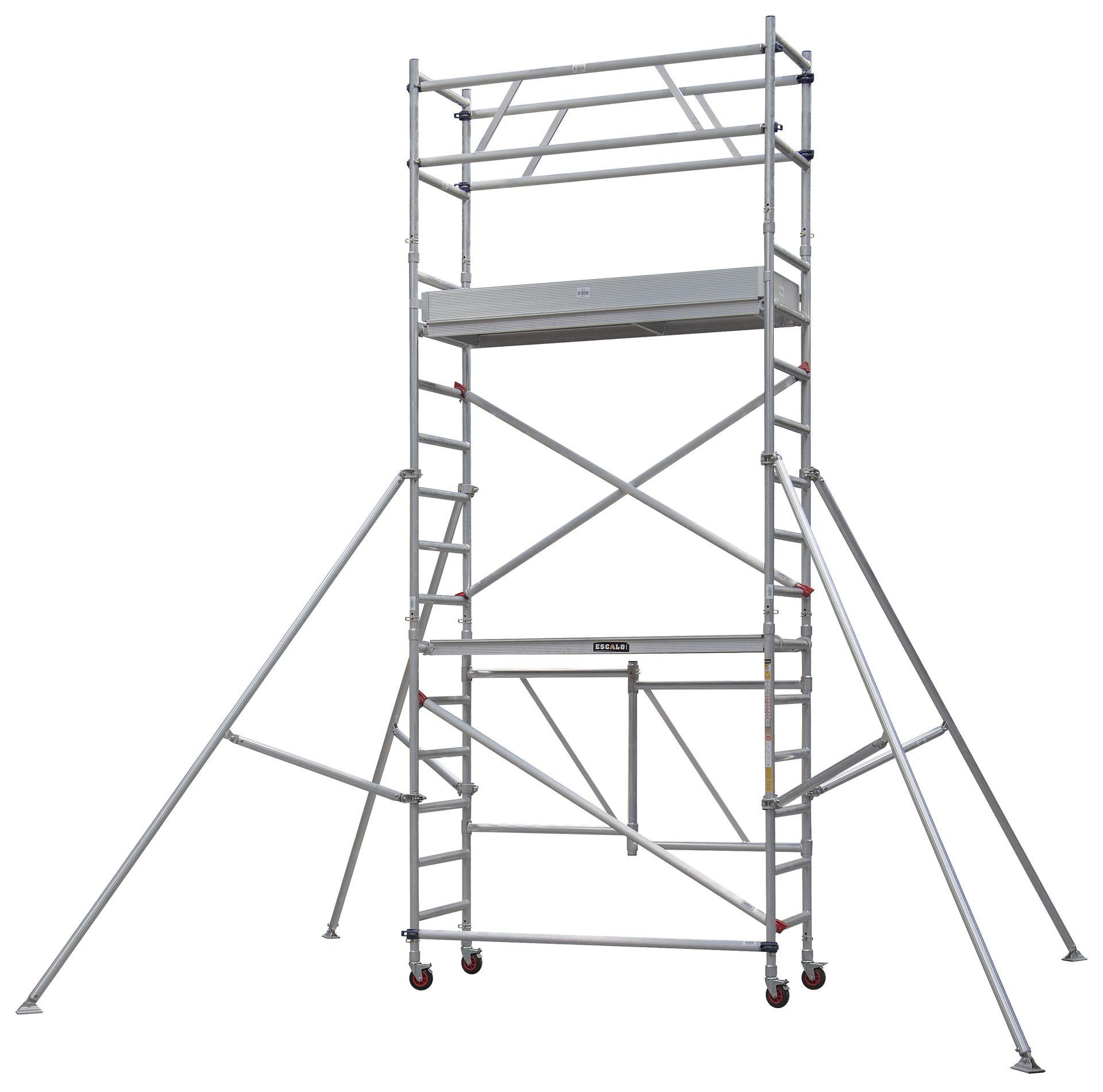
Scaffolding is always preferred:
these platforms ensure that you are stable and have both hands free to work safely
Training and use
Employees must be properly trained. Only authorized persons may use certain work platforms
Safe equipment
Employers must be able to demonstrate that work is carried out using safe and compliant equipment; only EN-standardized products are permitted
Additionally, as an employer, you can present (non-legally required) certifications:
- GS label: Geprüfte Sicherheit – German symbol for safety and quality
- Norme Française - NF is a French quality label
Maintenance and inspection
Proper maintenance and correct use are essential for a long service life and to prevent damage to your ESCALO step stool, step ladder, ladder or scaffold.
Inspect the equipment regularly:
- § Cracks or deformation
- § Wear or loose connections
- § Anti-slip feet (replace if necessary)
- § Operation of brakes and wheels
- § Cleanliness and accessibility of the work platform
Periodic inspection
Work equipment (used for professional purposes) must:
- § Be inspected before first use
- § Be inspected regularly
- § Be re-inspected after damage or incidents
For scaffolding, a formal inspection report is often required, with inspections carried out by a competent person.
Legal requirements for safe products
The safety of ladders, step ladders, and scaffolding is legally ensured by European standards (EN standards). These standards impose strict requirements regarding:
- Minimum dimensions
- Material thickness and stability
- Construction and durability
Which standard applies to which product?
All ESCALO work platforms comply with the appropriate European Standard. This ensures that you choose products that meet the highest requirements in terms of safety, reliability, and durability.
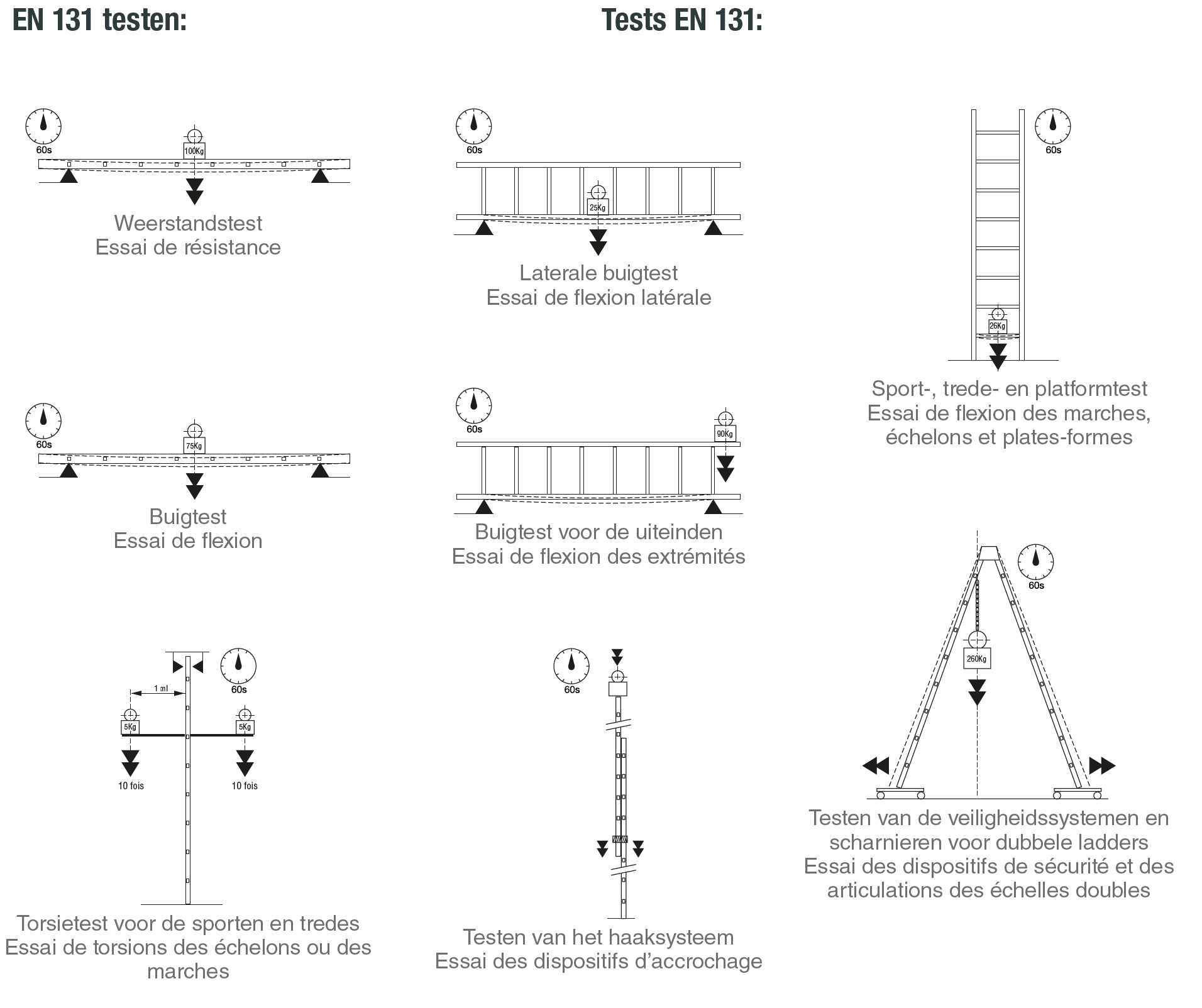
EN 131
Ladders and step ladders
EN 14183
Step stools
EN 1004
(Mobile) scaffolding from a platform height of 2.5m
EN 1298
Manuals for scaffolding
Have you carried out the risk assessment and reviewed all safety aspects? Then the next step is choosing the right step stool, step ladder, ladder, or scaffold.
👉 Be sure to also read our blog on which option is most suitable for your project or task.